Server-side tracking, GA4 and Meta CAPI. Numbers that match your CRM.
Server-side tracking shifts data collection from a visitor’s web browser to a dedicated cloud server before sending it to analytics and ad platforms. You decide what data is sent, and to whom. We combine it with GA4 key events, Google Tag Manager, Google Ads conversion tracking and consent settings.
This improves data accuracy and attribution. It fills gaps in your conversion data and sends cleaner conversion signals to Meta, Google Ads and TikTok.
Browsers such as Safari on iOS can clear tracking cookies within days. Server-side tracking can keep first-party cookies for longer, so a customer who takes weeks to decide is still recognised when they convert.
That longer view feeds attribution modelling, which shows how much credit each channel earns when buyers move between social, search and ads before they act. Our AI marketing automation turns it into reports.
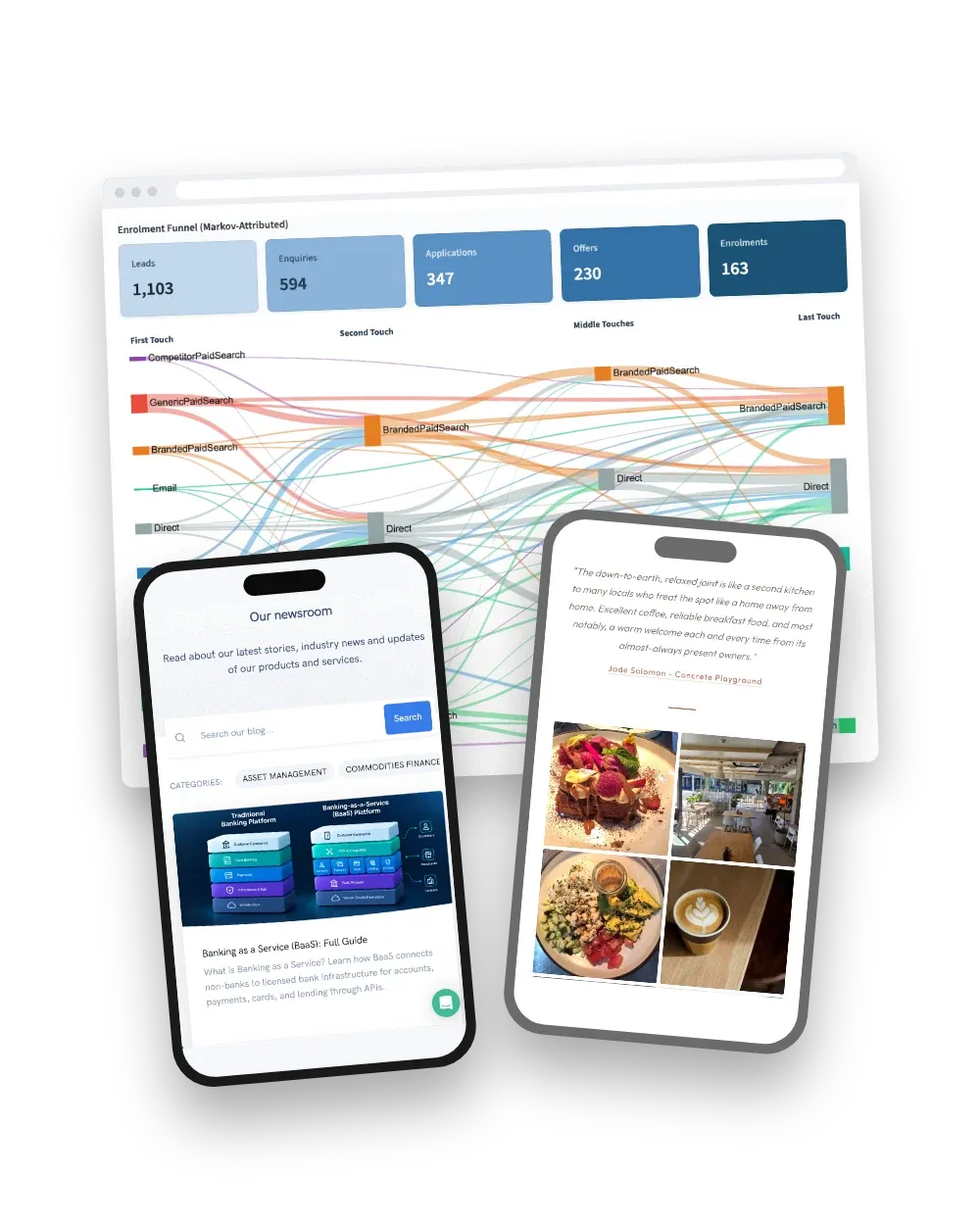
Signs your tracking is broken
Most tracking faults stay hidden until someone compares the reports side by side.
Platforms disagree
Google Ads, Meta and GA4 each report a different lead count for the same week.
Reports that don't match
Your ad platform counts conversions within a 7-day click window, while your CRM records only the last touch. The numbers never line up.
Leads that aren't leads
Job applications and newsletter sign-ups count as enquiries, so cost per lead looks better than it is.
More conversions than sales
Each platform claims the same lead, so the totals add up to more than your CRM holds.
Ads learn from bad data
Ad platforms optimise on the conversions you send them. Wrong signals send your budget to the wrong people.
Page views counted as leads
Thank-you pages are being used to track leads instead of form submits, sending inflated data to paid platforms.
What we set up
One connected setup, from the first click to the CRM. It is the base for Google Ads and Meta Ads management. We also use free and paid analytics platforms to provide a complete picture of how customers are finding you and how your site performs once they visit.
Analytics
Google Search Console and Bing for organic search, Clarity for heat maps and events.
GA4 key events
We mark the actions that matter as key events, such as generate_lead for genuine enquiries.
Google Tag Manager
We audit, rebuild or tidy your container, with clear tag names and triggers your team can follow.
Server-side tagging
Data passes through a server you control before it reaches Google or Meta. You decide what is shared.
Meta Conversions API
We send events from your server alongside the Meta Pixel, with deduplication so each lead counts once.
Enhanced conversions
Google Ads conversion tracking gets hashed first-party data from your forms, which Google says can improve accuracy.
Privacy built in
Tracking collects personal data, so consent and notice come first. In Singapore, the PDPC's Advisory Guidelines on Key Concepts require consent and a stated purpose before collection. In Australia, the OAIC notes that personal information can include IP addresses. We set tracking to follow your consent settings and send each platform only the data it needs. We don't give legal advice, so your privacy policy stays with your legal adviser.
Proof
Grant Harrison sets up analytics, tests every GTM, GA4, server-side and Conversions API build personally.
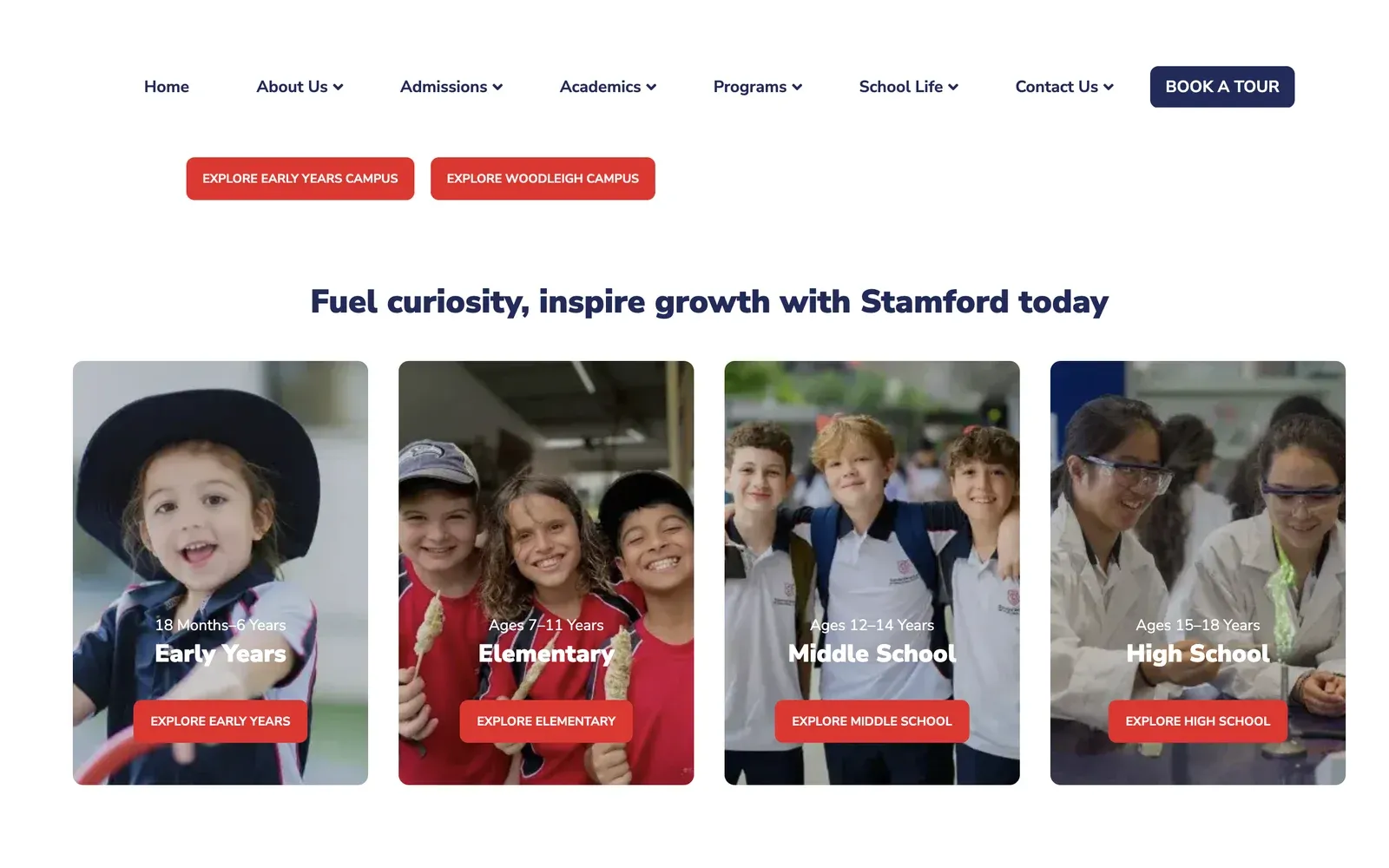
Cognita schools
Server-side tracking, Meta Conversions API, GTM event tracking and channel attribution for Cognita international schools across Asia.
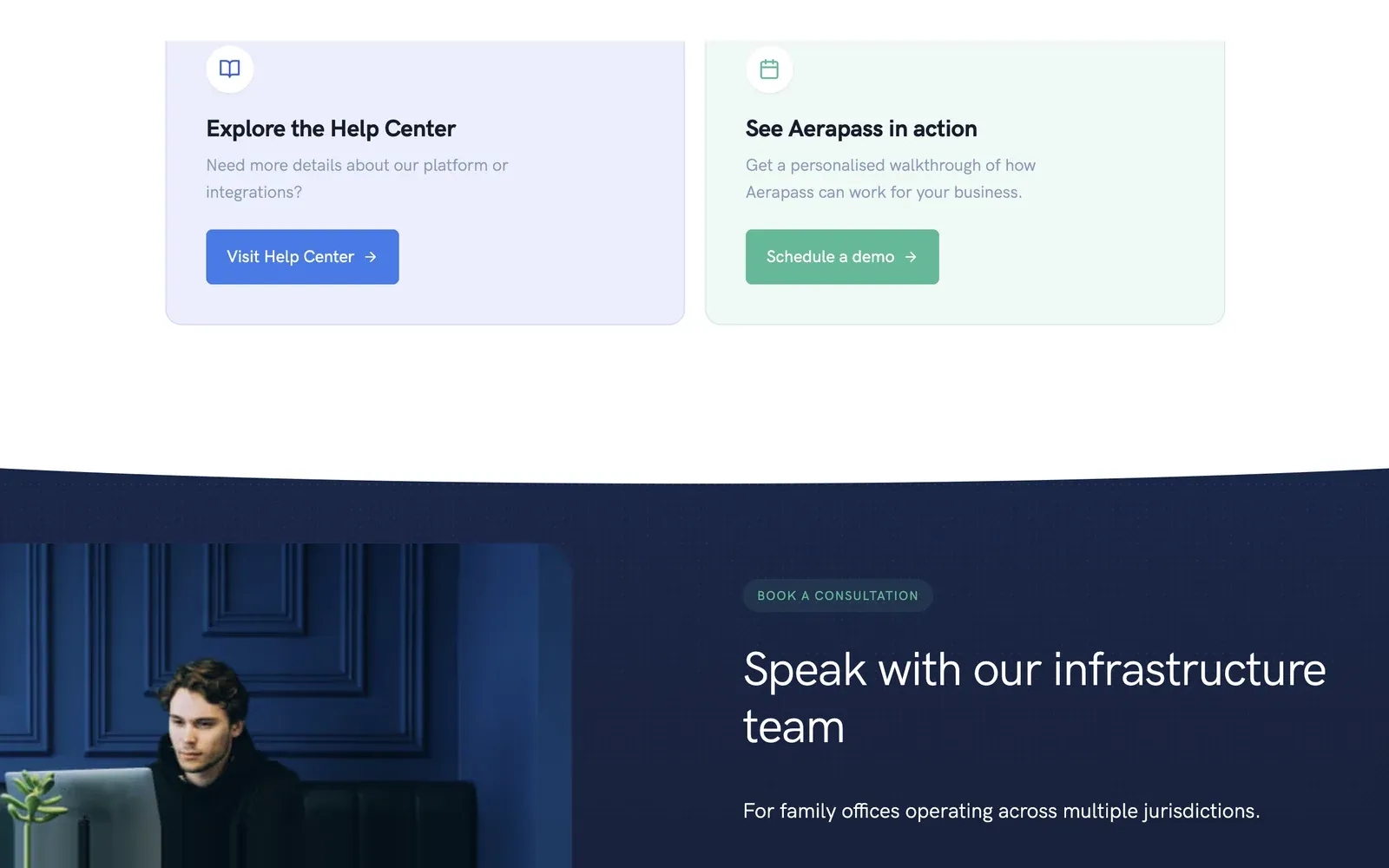
Aerapass
Lead tracking rebuilt so each contact form is tracked on its own, and careers enquiries no longer count as sales leads.
Tracking health check
A review of your GA4, Tag Manager, Google Ads and Meta tracking against your CRM or ecommerce store. You get a written list of what is broken and what to fix first.
- Missing analytics platforms
- GA4 key events and Tag Manager container review
- Meta Pixel and Conversions API check, including deduplication
- Google Ads conversion tracking and enhanced conversions check
- Platform lead counts compared with your CRM
- Consent settings check and a prioritised fix list
Questions
What is server-side tracking?
Server-side tracking sends measurement data to a server you control before it reaches tools like GA4 or Meta. Google says only you can see that data until you choose to send it on. That lets you remove fields a platform does not need before anything leaves your server.
Will server-side tracking slow my site down?
It should not. Google lists improved page performance as one of the benefits of server-side tagging. We still test page speed before and after every change. You see the effect on your own site, not just our word.
Is it PDPA and Privacy Act compliant?
Tracking is only as compliant as the consent, notice and data choices behind it. We set it up to follow your consent settings and privacy policy. The Privacy Act covers businesses with turnover above A$3 million, plus some smaller ones. Your legal adviser should confirm your policy, because we don't give legal advice.
Do I still need the Meta Pixel?
Yes. Meta recommends running the Conversions API alongside the Pixel, which it calls a "redundant setup". Matching event IDs and names let Meta count each event once. Your lead numbers are not doubled, and reports stay closer to your CRM.
What is a GA4 key event?
A key event is an action that matters to your business, such as a form enquiry. Google says any event you collect can become a key event. We mark only genuine sales enquiries as leads, and label other actions such as bookings and sign-ups separately, so you can see which kind of lead each campaign brings.
Get found. Get chosen. Get leads.
Book a 30-minute call. We'll look at what you have now, tell you what's holding it back, and tell you honestly whether we can help.